
How do you handle guest check-ins without a key box?
Online since August 14, 2026

Managing check-ins is often one of the most time-consuming aspects of vacation rentals/Airbnb.
Between late check-ins, unexpected events, key hand-offs, and key boxes, it’s not always easy to provide a seamless experience for travelers while keeping the property secure.
For a long time, key boxes were the preferred solution. Easy to set up, they eliminate the need to travel and offer greater flexibility.
But today, they are also showing their limitations.
In several cities, their installation on street furniture is increasingly subject to restrictions or even prohibited. Added to this are the risks of damage and theft, as well as the need to regularly change access codes.
So, how can we continue to offer self-service check-in without adding more restrictions?
Today, home automation offers new, simpler, and more secure ways to manage access.
The goal is no longer just to open a door remotely, but to simplify the daily lives of building managers, homeowners, and professionals who regularly welcome visitors.
It was with this in mind that we developedthe INTER OPEN.
Developed bySFP Technology, INTER OPEN allows users to automatically unlock a building directly from a mobile app.
Compatible with most intercom systems (2-wire, 5-wire, or BUS), this solution easily integrates into existing installations.
The user has two options:
- Open the door remotely from your smartphone
- Schedule automatic opening times based on a weekly schedule
No more need for a key box or physically handing over keys: everything is controlled directly from the app.
Would you like to learn more about the INTER OPEN, check if it’s compatible with your system, or simply discuss your project?
Please feel free to contact us—we'd love to talk with you!
How can you adapt your home if you have a disability?
Online since May 2, 2026

When certain everyday tasks become more difficult, living at home can quickly become a source of challenges. Opening a door, moving around easily, or using the bathroom generally requires more effort for a person with limited mobility.
However, adapting your home doesn't necessarily mean undertaking major renovations. In many cases, a few simple adjustments can already make a difference in your daily life.
Everyone has different needs. Depending on the situation, certain actions may become difficult or, in some cases, risky.
Adapting your home often makes it possible to:
- Getting Around More Easily
- Minimize Unnecessary Effort
- Reducing the Risk of Falls
- Becoming More Independent
The bathroom
This is often one of the most hazardous areas because of the water and the risk of slipping.
Here are a few simple solutions that can help:
- Installing a walk-in shower
- Add grab bars
- Install a non-slip floor
- Plan to include a shower seat
The Kitchen
The kitchen should remain practical and easy to use.
Depending on your needs, you can plan for:
- Accessible storage
- A suitable work surface
- More space to move around
Moving Around the Home
Sometimes, simply widening a doorway, decluttering an area, or improving the lighting is enough to make a home more pleasant and safer.
Installing a stairlift can also be a good option in some homes.
The entrance to the apartment
Access to the home is also an important consideration. Opening a heavy door or operating a lock can be difficult, depending on a person's mobility.
Certain improvements may be eligible for financial assistance.
Depending on the situation, programs such as the MDPH, Action Logement, or MaPrimeAdapt’ may help cover the cost of certain renovations or equipment.
Doing your research ahead of time often helps you find solutions that fit your budget.
In addition to the solutions mentioned, technology can also be a great help in everyday life. Automatic lighting, motorized equipment, and simplified controls can enhance comfort and independence.
Our HANDY CONTROL solution is designed with this in mind. Created to simplify access to the home, it allows you to motorize the front door to make daily mobility easier.
SFP TECHNOLOGY supports you in your home automation projects. We offer BABY SAFE.
Contact us.
Electricity Bill Too High: Effective Ways to Lower It
Online since May 1, 2026

In recent years, many households have seen their electricity bills rise, sometimes without really understanding why. We all use electricity every day, but it’s often hard to pinpoint what’s really driving up the costs… and, more importantly, how to take effective action.
Good news: there are simple ways to regain control without necessarily having to completely change your habits.
In most cases, it’s not just one factor that drives up the cost, but a combination of factors.
Heating remains the largest expense, accounting for as much as 60 to 70 percent of a household’s energy consumption. Added to this are hot water production, household appliances (often used daily), and all the connected devices that accumulate over time.
The problem is that much of this energy consumption is “invisible.” A poorly adjusted radiator, appliances left on standby, uneven heat distribution in rooms… these are all small details that, when added up, quickly drive up the bill.
Some appliances naturally consume more energy than others. This is particularly true of:
- From the refrigerator and freezer,
- A clothes dryer
- Stovetops and ovens
- A dishwasher and a washing machine
Beyond the equipment, it's often habits that make the difference.
Some of the most common mistakes include:
- Leaving devices on standby all the time
- Running machines that are half-empty
- Heat all rooms the same way, even when they are unoccupied
- Forgetting to turn off certain lights
- Increasing the number of connected devices without a real need for them
When it comes to household appliances: Choosing “eco” cycles, running the machines only when they’re full, and limiting the use of the dryer are simple but effective habits. When making a purchase, checking the energy label is also essential.
When it comes to lighting: Switching to LED bulbs, avoiding excessive lighting, and making the most of natural light are easy ways to reduce energy consumption.
Heating: This is where you can save the most money.
Adjusting the temperature room by room is the first step: about 19°C in living areas; 17°C in bedrooms; turn down the heat when you’re away
In addition to these everyday habits, smart solutions like OPTI LIGHT take things a step further by making energy management easier. They offer comprehensive management of your system to help you save money without affecting your daily comfort.
SFP TECHNOLOGY supports you in your home automation projects. We offer BABY SAFE.
Contact us.
Home Accidents Involving Children: The Most Common Hazards at Home
Online since March 19, 2026

The home is often seen as the safest place for a child. Yet a large proportion of accidents involving young children occur right at home.
A fall, a burn, a household cleaning product left within reach… sometimes it only takes a few seconds for an accident to happen. Children are naturally curious and love to explore.
That is why it is essential to identify the main hazards in a home in order to better anticipate them and make certain everyday spaces safer.
Several types of accidents can occur in a home:
Falls are among the most common types of accidents, particularly those involving stairs, furniture, or table corners.
Electrical outlets and wiring can also pose a hazard if they are not properly protected.
Sharp objects such as knives or certain tools must be stored carefully to prevent injuries.
Finally, household products, medications, and chemicals pose a significant risk when they are left within reach in cabinets or drawers.
There are some simple steps you can take to minimize these risks and make your home safer:
- Secure electrical outlets and install corner guards on certain pieces of furniture
- Keep household products and medications out of children's reach
- Secure certain cabinets or areas containing hazardous items
- Avoid leaving sharp objects, lighters, or matches within reach
- Turn the handles of the pots inward on the stovetop to prevent a child from grabbing them
- Check the stability of certain pieces of furniture (bookcases, dressers) that could tip over if a child tries to climb on them
Certain areas of the home also deserve special attention, particularly the kitchen, the bathroom, and closets containing potentially hazardous products.
Today, certain solutions also make it possible to control access to these sensitive areas, to prevent children from gaining access to dangerous products or equipment.
It was with this in mind that SFP Technology developed BABY SAFE. This system secures the access to certain cabinets or areas containing potentially hazardous products through a remote-controlled or badge-activated opening mechanism for authorized adults.
Accidents at home can happen quickly, often due to a moment of inattention or unsecured access to certain objects.
Anticipating these risks and making adjustments to your home helps create a safer environment for children.
SFP TECHNOLOGY supports you in your home automation projects. We offer BABY SAFE.
Contact us.
GAS LEAK IN A HOME: WHAT ARE THE RISKS, AND HOW SHOULD YOU RESPOND?
Online since February 25, 2026

A gas leak occurs when gas unintentionally escapes from a pipe or a gas-powered appliance in a home.
A gas leak can occur:
- From a gas appliance (stove, boiler, water heater)
- An incident during construction work (improper handling or lack of knowledge regarding the location of a gas line)
- An old installation or one that has deteriorated over time
A leak may be visible right away, but it can also develop gradually, making it harder to detect.
Even a small gas leak can be dangerous. It's better to have it checked than to take any chances.
- Risks to Housing
If gas accumulates in an enclosed space, it can ignite upon contact with a flame or spark. This can cause a fire or, in some cases, an explosion. The damage can be extensive and affect the entire building.
- Risks to People
A significant gas leak in a poorly ventilated area can make the air unsafe to breathe. In the most serious cases, this can lead to dizziness or loss of consciousness.
Please note: Natural gas is not toxic in and of itself. The danger arises mainly when it accumulates in an enclosed space.
There are several signs that may indicate a potential gas leak in a home. It is important to be aware of them so you can respond quickly.
- A strong smell
Natural gas is naturally odorless. An odor is added so that it can be detected in the event of a leak. This odor is often compared to that of sulfur or rotten eggs.
- Unusual noises near the facilities
A whistling or hissing sound near a pipe, fitting, or gas appliance may be a sign of a leak.
Listen for such sounds, for example, around the furnace, stove, or water heater.
- The onset of physical symptoms
Headaches, dizziness, or nausea with no apparent cause may sometimes be related to exposure to gas.
If these symptoms occur mainly when you are at home, this should be a cause for concern.
- Visible signs
Yellow or orange flames instead of blue ones on a stove may indicate a combustion problem.
Black marks or soot around a gas appliance are also a warning sign that should not be ignored.
- Abnormally high gas consumption
A sudden, unexplained increase in your gas usage may sometimes be due to a leak.
If you suspect a gas leak, you must act immediately to minimize the risks.
- Ventilate the home
Open the windows to let air circulate and reduce the concentration of gas in the room.
- Shut off the gas supply
If it is safe to do so, turn off the gas supply valve, which is usually located near the meter.
- Avoid any source of sparks or flames
It is important not to do anything that could cause a spark: Do not turn the lights on or off, do not use electrical appliances, do not smoke, and do not light a lighter…
- Evacuate the premises
Leave the residence immediately with all occupants. If you live in an apartment building, alert your neighbors.
Immediately contact the Gas Safety Emergency Service at 0 800 47 33 33, or the fire department (18 or 112) from outside your home.
The best way to minimize the risks associated with gas leaks is to take preventive measures.
First and foremost, this involves regular maintenance of gas-powered appliances (boilers, water heaters, stovetops).
There are also simple devices for detecting gas leaks: “Standard” gas detectors alert you when an abnormal concentration is detected in a room.
Today, some solutions go beyond simply issuing an alert: Devices such as Life Saver not only detect a leak but also automatically trigger safety measures (shutting off the gas supply, automatic ventilation, remote alerts).
SFP TECHNOLOGY supports you in your home automation projects. We offer LIFE SAVER.
Contact us.
WATER LEAK IN A RESIDENCE: SMART WATER MANAGEMENT
Online since February 10, 2026
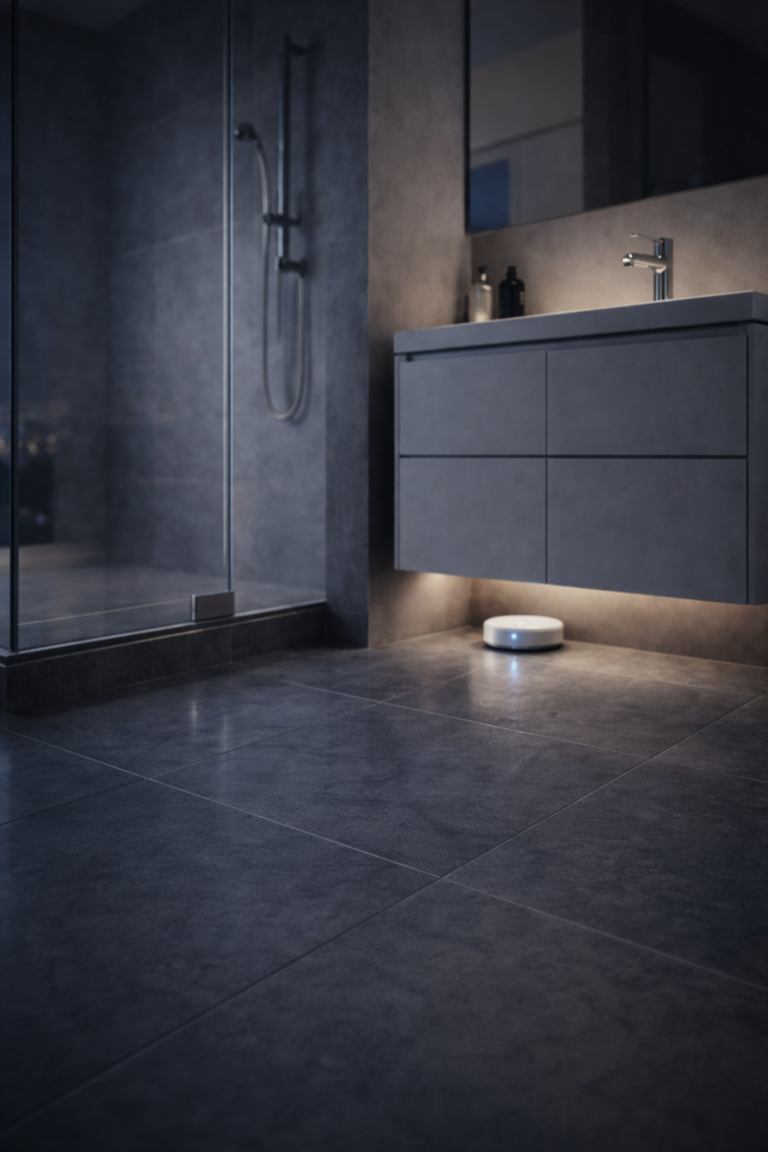
Smart water managementinvolves equipping a home with connected devices capable of detecting an anomaly, immediately alerting the user, and, in some cases, automatically shutting off the water supply. These technologies are part of a comprehensive home automation ecosystem, just like automated roller shutters,smart thermostats, and alarm systems. The goal is twofold: to ensure the safety of the occupants and to optimize the use of this precious resource.
Smart water managementrelies on the integration of sensors and devices connected to the home network. These devices continuously monitor water flow, detect anomalies, and transmit information in real time via a mobile app or a centralized home automation interface. This approach differs significantly from traditional management, where the user only becomes aware of a problem once the damage is visible.
The most common solutions includeleak detectors,connected faucets, automatic shut-off valves, and smart meters. Each device contributes to targeted and complementary monitoring. For example, a connected meter analyzes overall water consumption and alerts users in case of an anomaly, while a detector placed under a sink immediately signals a local leak. The user receives a notification on their smartphone, allowing them to take action quickly, even remotely.
The system relies on wireless technologies such as Wi-Fi, Zigbee, and Bluetooth, which ensure seamless communication between the sensors and the home automation hub. Some systems go even further by incorporating artificial intelligence to detect unusual usage patterns and predict a leak before it occurs. By combining these innovations,smart water managementtransforms a traditional setup into a proactive and reliable system.
Among the most widely usedsmart water management solutions, connected leak detectors play a central role. These are small, often battery-powered devices placed in strategic locations: under sinks, near washing machines, next to hot water tanks, or in basements prone to moisture. Their role is simple but crucial: to detect the presence of water and immediately alert the user before the situation gets out of hand.
When a sensor detects an anomaly, it sends a signal to the home automation hub or directly to the homeowner’s smartphone. In some advanced systems, the sensor is connected to a motorized valve that automatically shuts off the water supply. This significantly limits damage, even during extended absences. As a result, going on vacation no longer means worrying about a potential hidden leak.
There are many benefits:
- Reduced costs related to repairs and home insurance.
- Peace of mind every day thanks to real-time alerts.
- Easy installation, no major construction required.
- Compatibility with existing smart home systems.
Connected leak detectors perfectly embody the added value ofsmart water management: prevention, responsiveness, and automation. They represent an accessible first step toward modernizing a home’s plumbing system and effectively protecting against water damage.
Smart water managementisn’t limited to leak detection—it also incorporates devices that improve everyday use, such as smart faucets. These modern devices offer unprecedented control over water consumption, thanks to precise control and innovative features. Designed to fit seamlessly into both the kitchen and the bathroom, they combine convenience, safety, and savings.
A smart faucet is equipped with sensors that measure water flow and temperature in real time. Users can adjust these settings from their smartphones, schedule usage times, or set consumption limits. Some models even include an automatic shut-off feature after a preset time, which is ideal for preventing forgotten faucets left running. This feature directly helps reduce waste and is part of an effort to optimize energy use and promote environmental sustainability.
There are many benefits to smart faucets:
- Substantial water savings thanks to precise flow control.
- Prevent forgetting with a scheduled automatic shut-off.
- Monitor energy usage through an intuitive mobile app.
- Improved comfort through temperature control.
By installing smart faucets in a home,smart water managementbecomes a tangible part of everyday life. This type of equipment provides a concrete solution to today’s challenges: preserving natural resources while offering users modern conveniences.
While leak detectors and smart faucets are the most visible solutions,smart water managementalso offers a range of complementary devices to enhance the safety and efficiency of home plumbing systems. These devices work together to transform traditional plumbing into a connected, automated network.
This equipment includes:
- Automatic shut-off valves: When used in conjunction with sensors, they shut off the water supply as soon as a problem is detected.
- Smart water meters: They measure water usage in real time, detect unusual fluctuations, and let you track your usage patterns through an app.
- Moisture sensors: Installed in walls, floors, or vulnerable areas, they help prevent water infiltration and mold before they cause damage.
- Integrated systems: Connected to the overall home automation system, they allow you to simultaneously control heating, automatic irrigation, and the water supply.
By combining these tools,smart water managementbecomes a true strategy for prevention and optimization. Each sensor plays a complementary role and contributes to an overarching goal: protecting the home, conserving water, and making life easier for the occupants.
Adoptingsmart water managementoffers very tangible benefits for both individuals and businesses. The first is safety: by detecting leaks early and automatically shutting off the water supply in the event of an incident, these systems prevent damage that often costs several thousand euros in repairs and compensation. This preventive measure is also recognized by some insurance companies, which offer premium discounts to households equipped with such systems.
Another major benefit is the water savings achieved. Through continuous monitoring and control of connected faucets, water consumption can be reduced by 20 to 30 percent. For a family, this translates to hundreds of euros in savings each year. On a community-wide scale, this optimization also contributes to better resource management during periods of drought or water restrictions.
Finally,smart water managementimproves everyday comfort. Being able to monitorwaterusage remotely, receive instant alerts, or schedule an automatic irrigation system tailored to the garden’s actual needs provides real peace of mind. This approach also contributes to a sustainable and environmentally friendly home—a feature that is increasingly sought after in the real estate market.
By combining safety, cost savings, and comfort,smart water managementhas become an essential solution for modern homes. It is an investment that pays for itself quickly, while adding undeniable value to the home.
Smart water managementrelies on technological equipment that must be installed according to specific guidelines to ensure its reliability and safety. As with electrical installations, compliance with standards is essential. Leak detectors, automatic valves, and smart faucets must meet European (CE) certifications and, in some cases, specific certifications related to homeautomationand smart plumbing. This ensures their compliance, effectiveness, and compatibility with other smart home systems.
Installation must be performed by a qualified professional, as it may require work on the plumbing system or the central home automation panel. Improper installation, incorrect calibration, or faulty software configuration can compromise the system’s overall performance. In addition, some devices require a stable Wi-Fi connection or the use of specific protocols such as Zigbee or Z-Wave, which calls for a solid understanding of wireless communication technologies.
When it comes to maintenance,smart water managementrequires regular checks. Sensors must be tested to ensure they trigger an alert in the event of a simulated leak, batteries must be replaced periodically, and mobile apps must be updated. Some solutions also offer remote monitoring by the manufacturer, ensuring continuous oversight and notifications in the event of a technical issue. This rigorous approach ensures optimal performance, prevents false alarms, and maximizes the equipment’s lifespan.
During a recent project, I was contacted by a family that had suffered major water damage: a cracked pipe behind the washing machine had flooded the laundry room and damaged the walls. The insurance company covered part of the repairs, but the overall cost and the time lost were considerable. After this unpleasant experience, the homeowners decided to install a comprehensivesmart water management system in their home.
We installed leak detectors in the laundry room, under the kitchen sink, and near the hot water tank. These sensors were connected to a motorized valve on the main water supply line, capable of automatically shutting off the water. In addition, smart faucets were installed in the kitchen to better monitor daily water usage. The entire system was connected to the home’ssmart home hub, which is already used to control the heating and lighting.
A few months later, another minor leak occurred, but this time the system immediately alerted the homeowners via their smartphones and shut off the water supply. No damage occurred. This experience demonstrates thatsmart water managementisn’t just a convenience—it’s a real safeguard against the unexpected. The residents gained peace of mind, and their investment quickly paid for itself through the savings from repairs that were avoided.
Smart water managementis emerging as an essential step in home modernization. Thanks to devices such as leak detectors, smart faucets, automatic valves, and smart meters, it is possible to effectively protect your home while reducing water consumption. The benefits are threefold: enhanced safety, increased comfort, and substantial savings.
Beyond the practical benefits, this approach contributes to sustainable water resource management—a major challenge in a context of water scarcity and growing environmental awareness. Investing in smart home technology for water management not only improves daily life but also promotes more responsible water consumption. Households that adopt this solution are staying one step ahead of tomorrow’s standards.
Want to make your home safer and lower your water bill?Hire a professional to install a smart water management system tailored to your needs. A personalized assessment will help determine the most effective sensors and equipment for your home. Don’t let a leak ruin your comfort—take action today with a connected solution.
Home Automation & Smart Homes
Online since February 11, 2026

Definition and Concept of Home Automation
Home automation derives its name from the Latin word“domus,” meaning “house,” and the word“telematics.” It encompasses all the methods used to connect various smart, interconnected electronic systems within a room, a house, or any other type of building. This concept is intended for both professionals and individuals. It is based on concepts from the fields of electronics, automation, telecommunications, computer science, and physics.
The Key Components of a Home Automation System
Home automation systems incorporate a wide variety of sensors designed to detect various types of information (temperature, light conditions, acceleration, motion, etc.). This data is then analyzed by the system before being converted into actions (such as turning on a heater) by actuators. These two components therefore play a crucial role in automation.
They also rely on technologies that enable communication:
- Wi-Fi (a high-speed connection with a wide range).
- Bluetooth connection (high-speed, short-range).
- Zigbee (ideal for low-power devices).
Thanks to these technologies, a simple interface like “Google Home” or “Alexa” is now all you need to control your home remotely and in real time.
Main Objectives of Home Automation
There are many benefits to a home automation system and asmart home. It directly contributes to improvedenergy efficiencyin your home. While reducing your energy consumption (and your expenses), you’ll also enjoygreater comfort. Better yet, you can even create a unique atmosphere for every room in your home! Finally, let’s not underestimatethe improved security(automated surveillance cameras, intrusion detectors, etc.). Home Automation
In your home, home automation systems will transform your lighting system into a truly connected solution. This means that as soon as you enter a room, the lights will turn on automatically and will turn off only when you leave. Installingsmart switchesandsmart outletswill also make it easier to manage yourconnected lighting, thereby minimizing any risk of wasted energy.
Smart Energy Management
Most energy expenses are related to home heating. With asmart thermostat, you can control these devices remotely. You can turn down the heat when you leave for work in the morning and turn it back up in anticipation of your return in the evening.
Security and Surveillance
Home security will also improve significantly with home automation systems. In particular, there are comprehensive solutions consisting of intrusion detectors, alarms, and motion sensors that can communicate with one another.Connected cameraswill alert you as soon as an anomaly is detected and will simultaneously notify the police.
Emerging Trends
Home automation remains a relatively new technology. As a result, it still has room to grow. Among current trends, we see that it is becoming compatible with an increasing numberof connected devicesin order to continually meet user needs. Manufacturers are also increasingly agreeing on common standards that significantly improveinteroperability, even with devices from different brands.
Artificial Intelligence and Machine Learning
When combined with artificial intelligence, a home automation system becomes even more efficient. The best voice assistants on the market (including the must-haveAlexa and Google Home) are capable of identifying your habits. Based on this analysis, they then set up routines to optimize heating or lighting. Also note the existence of complete ecosystems that are compatible with AI (Artificial Intelligence) and entirely dedicated to home automation, such asTuya Smart and others.
Emerging Trends
Home automation remains a relatively new technology. As a result, it still has room to grow. Among current trends, we see that it is becoming compatible with an increasing numberof connected devicesin order to continually meet user needs. Manufacturers are also increasingly agreeing on common standards that significantly improveinteroperability, even with devices from different brands.
Home Automation and Smart Cities
In the near future, this technology will no longer be limited to buildings alone. As it continues to evolve, it will indeed be possible to implement it on a larger scale. Many projects are therefore aiming to apply this principle to an entire city. Connected homes will then become an integral part of thesenew, smart, and more livable urban infrastructures.
Prospects for 100% Self-Sufficient Homes
Ultimately, we’re not far off today from a fully self-sufficient home—the kind that some engineers and business leaders dream of. With thedevelopment of AI, it will soon be possible to combine comfort, sustainability, and safety without even having to lift a finger!
About SM2i elec
SM2i Elec, switchboard builder and electrical contractor in Eastern Lyon, also offers electrical engineering, study, and design of electrical cabinets. We carry out electrical installations tailored to your requirements across industrial, residential, and commercial sectors.